Zero Liquid Discharge (ZLD)
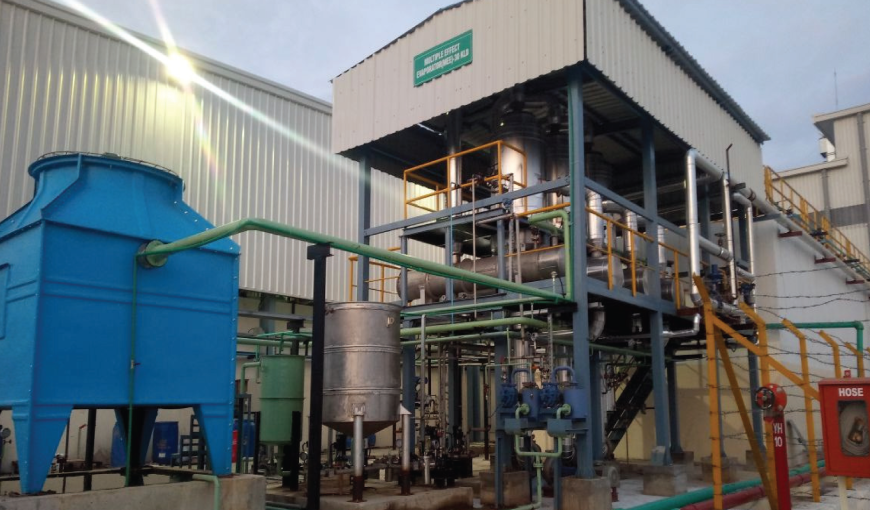
Eliminating all liquid waste from a system is the aim of the ZLD treatment plant. Reducing wastewater economically and
producing clean, reuse-ready water are the main goals of ZLD.
The most widely used systems in ZLD processes are
evaporator/crystallizer systems, but other promising technologies
with high
recoveries have gained traction & are employed in various
combinations to reduce costs & improve system efficiency.
Zero Liquid Discharge (ZLD) is an advanced wastewater treatment
process that ensures that no liquid waste leaves the premises of
the industry or plant. ZLD systems are designed to treat and
recycle all industrial effluents by recovering clean water and
converting the remaining waste into solid residue for safe
disposal. This sustainable approach helps industries comply with
stringent discharge norms and supports environmental conservation.
In the pursuit of sustainable water management, our Zero Liquid
Discharge (ZLD) Plant takes center stage as a revolutionary
solution. Designed to eliminate any discharge of industrial or
municipal wastewater into the environment, our ZLD Plant offers a
holistic approach to waste management and resource conservation.